Padaran Mountains - A stunning maritime massif in south-central Vietnam

<figcaption>Padaran Mountains map</figcaption>
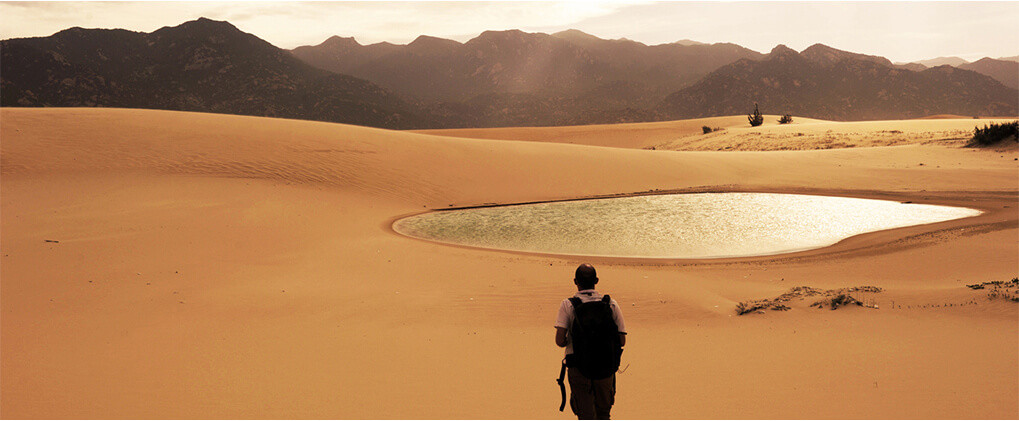
Located in southern province of Ninh Thuan and its capital Phan Rang, the Padaran Mountains are among the most amazing maritime massifs of south-central Vietnam, along with the Nui Chua. Detached from the foothills of the south Annamitic massif, the rhyolitic Padaran massif borders Cana Bay to the south, the Phan Rang Valley to the west, and the Mui Dinh dunes and Cape Padaran to the northeast. Its southeastern hills flow directly into the cerulean waves of the Pacific Ocean, the rocky, semi-arid slopes dotted by ancient dragon trees.
<img alt="Mt. Padaran - eastern face" src="https://www.secretindochina.com/upload-images/programmes/padaran-mountains/MT-PADARAN-EASTERN-FACE-1583920632.jpg" />
<figcaption>Mt. Padaran — eastern face</figcaption>
The Padaran massif is made up of a discordant collection of steep valleys, reddish monoliths, scree slopes, rocky walls and stony peaks. They include Da Bac (642m, the highest point), the Deo Ca (628m), the Mt de l’Aigle (585m), the Hon Mai (584m), the Ho Be (481m), the Mui Mot, and the Nui Chan Bang, a megalith sacred to the neighboring Cham people. Its waters run south into the Cana salt fields and form the Song Bau Ngu to the north, which feeds the Song Hai lagoon and the small lakes and lagoons dotting the Mui Dinh dunes.
<img alt="Mt Padaran - eastern face" src="https://www.secretindochina.com/upload-images/programmes/padaran-mountains/MT-PADARAN-EASTERN-FACE-2-1583920663.jpg" />
<figcaption>Mt Padaran — eastern face</figcaption>
The Padaran Mountains have a Type C semi-arid climate normally found in sub-desert areas and the steppes of Kazakhstan. They are partially covered by impenetrable maritime forests, with ancient, exotic trees emerging from the skeletal soil. These endemic trees include Cycas palms, varieties of dragon trees (Dracaena cambodiana), Kalanchoes, Selaginella, various varieties of euphorbia, and spiny lianas. The Padaran are home to troops of monkeys and wild boars that roam the slopes, and eagles and other birds of prey fly over the perpetually windy summits. Vietnamese fishermen live in the Padaran’s eastern and southern foothills, while the Chams and Raglais occupy the northern and western foothills.
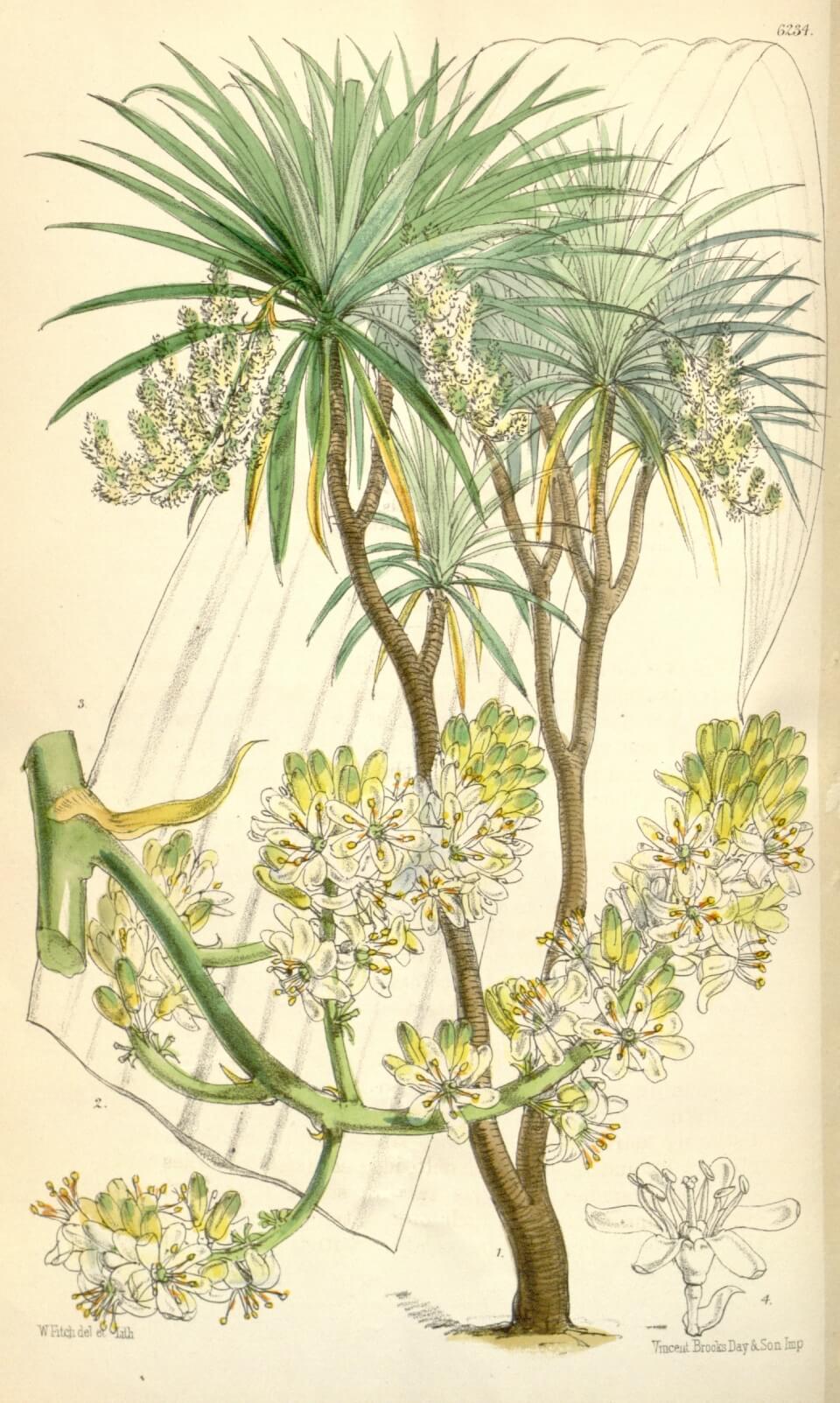
<figcaption>Padaran Dracanea</figcaption>
Secret Indochina has developed various travel modules in the massif as part of our commitment to developing and promoting south-central Vietnam. We offer soft-adventure or adventure experiences that range from half-day modules in the north-eastern foothills to two-day, one-night trips to the massif’s eastern peaks.
<img alt="Northern Padaran face" src="https://www.secretindochina.com/upload-images/programmes/padaran-mountains/NORTHERN-PADARAN-FACE-1583920927.jpg" />
<figcaption>Northern Padaran face</figcaption>