The Katu
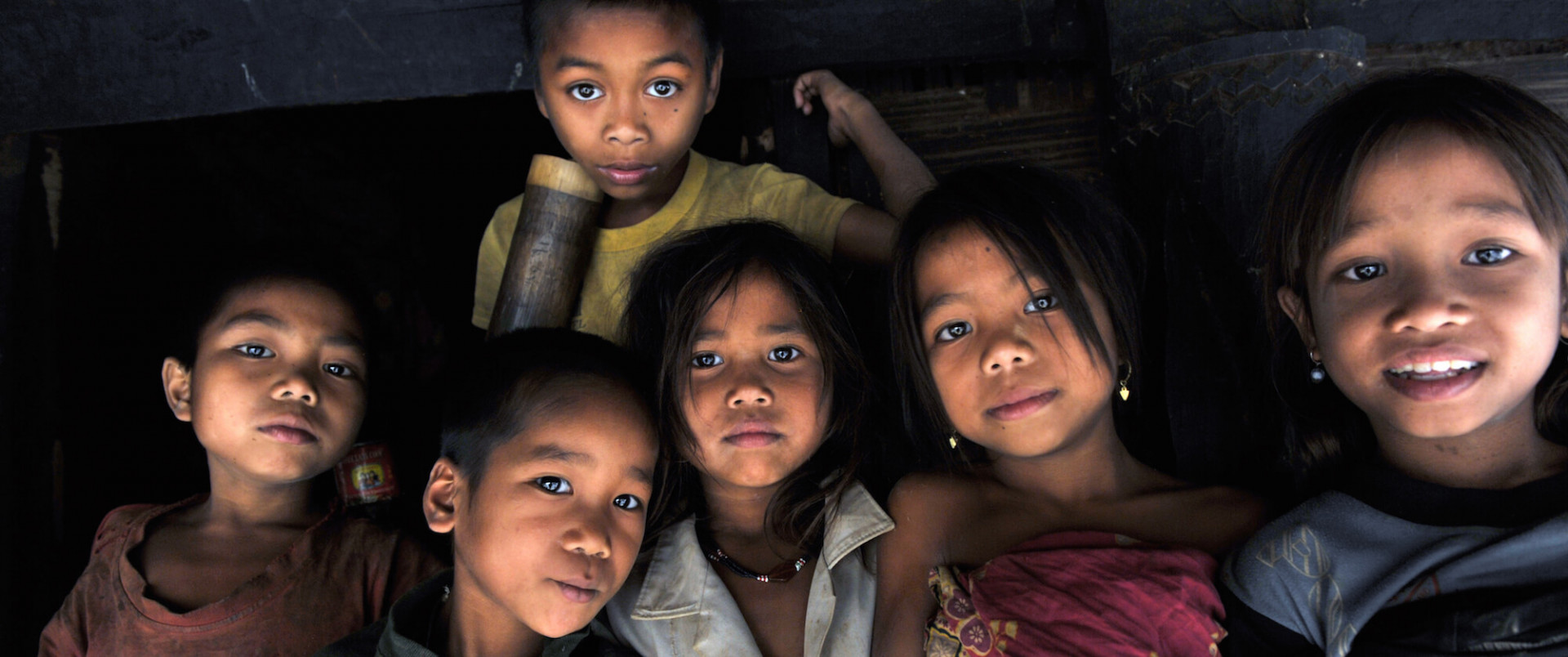
The Katu ethnic group in Laos mainly inhabit the Xekong Province along the Upper Xekong River. Part of the “Katuic” ethnolinguistic group, these populations usually live at a distance from the modern world, in mountainous districts, glades, jungle copses, or small villages along a water source. They practice slash-and-burn cultivation, animism, shamanism, hoax sacrifices, and they nurture a close spiritual connection with the jungle, which they consider a “house of genies”. The Katu villages in Laos are located south of the Xe Xap national park. Boasting a broad, rolling massif with summits at an average of 3500 ft and covered by vast jungle, the Xe Xap is a natural sanctuary, refuge to over forty mammal species of interest such as tigers, wild elephants, gaurs, muntjacs, bears and endangered species including the bearded langur monkeys. There are also more than a hundred bird species and fifty reptile and amphibian species, among which is the molurus python.
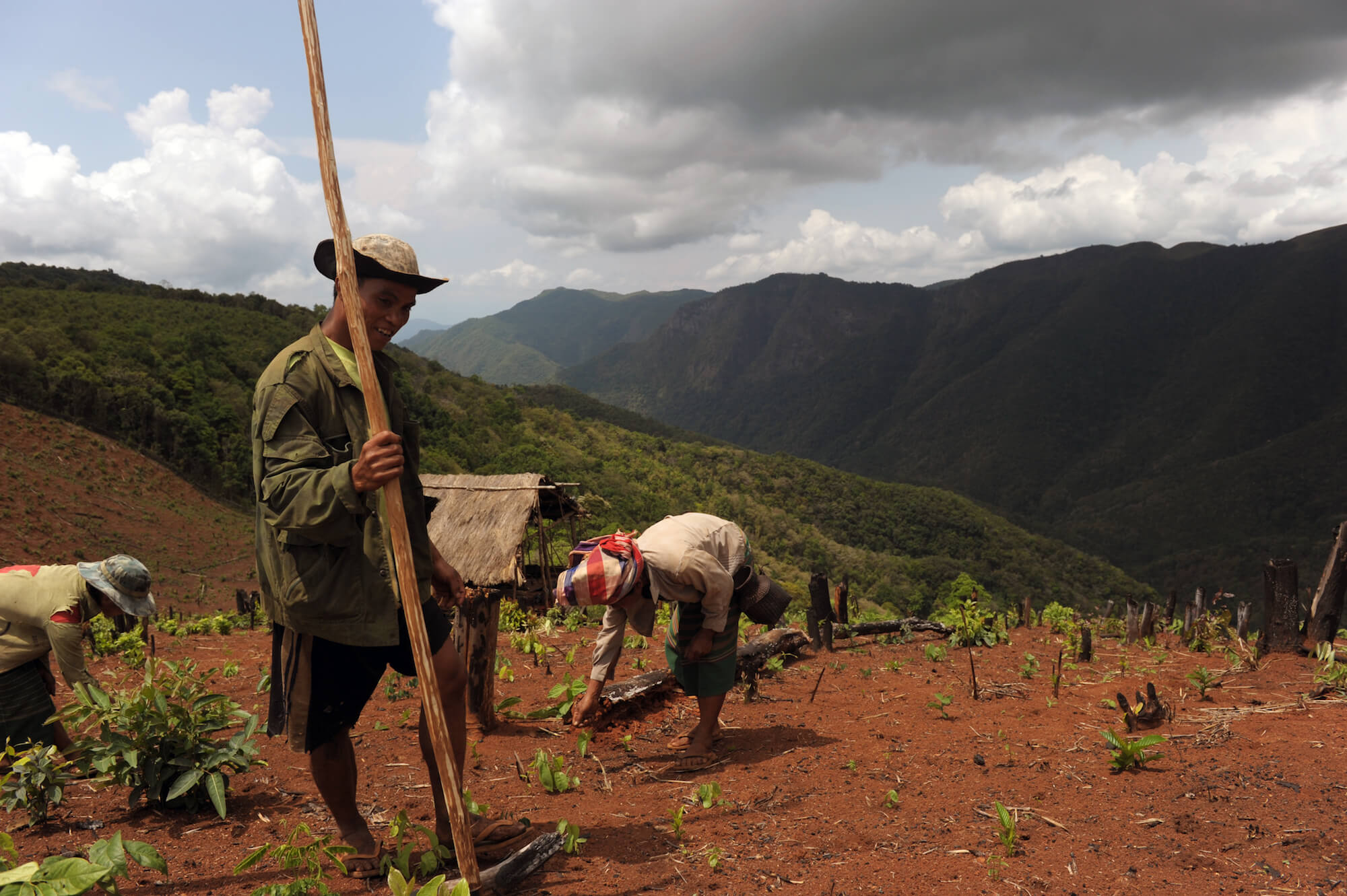
<figcaption>Katouic slash-and-burn</figcaption>
<img alt="Upper Xekong Katu" src="https://www.secretindochina.com/upload-images/programmes/testthe-katu/upper-xekong-katu-1578372206.jpg" />
<figcaption>Upper Xekong Katu</figcaption>
Like other proto-Indochinese groups, the Upper Sékong Katu distinguish themselves with their elegant communal houses. Called gwal, the houses are located in the village center and are characterized by totemic sculptures and polychrome drawing, inside or outside. They are used for various social functions, such as animist rites, notably the buffalo sacrifice. Sculptures of the strange, magical androgynous katu deity may be found around the central pillars. Because the Katu universe is circular, a Katu village represents a series of circles, the most visible one formed by houses oriented towards the communal house. This set-up made it possible to house more than 30 members of a patrilineal kinship system, two or three families, and more than one hundred other people. Around the village, circles are formed by rivers and by the high wooden ridges overlooking the villages. The cosmologic center of this world is the communal house and the sacrifice pole, which are typically made of kapok tree and represent a door to the three worlds of Katu cosmology during a sacrifice.
<img alt="" src="https://www.secretindochina.com/upload-images/programmes/testthe-katu/2013%20-%20Image%20num%C3%A9ris%C3%A9e%203-1577677489.png" />
Before 1950, communal house could be of an imposing size, with the central pillar measuring more than 12 meters high. The gwal structure is built from wood and bamboo, and the roof is made of thick layers of palms. The interior planks are decorated with drawings representing scenes from mythology, history, or daily life. The interior walls are decorated with war masks (kâbei), weapons, and various trophies such as buffalo and tiger skulls, skulls and tails of peacocks or toucans, and even sometimes human skulls as a memento of the infamous Blood Hunts. The Blood Hunt is based on the concept that blood calls blood, similar to the Aztec Flower War or the customs of Borneo, New Guinea and Naga head hunters. Prisoners were captured in neighboring settlements and brought back to the village, where they were hung on sacrificial poles or trees. The villagers would eat the prisoner’s heart and liver, believing that they would absorb the victim’s vitality and might.
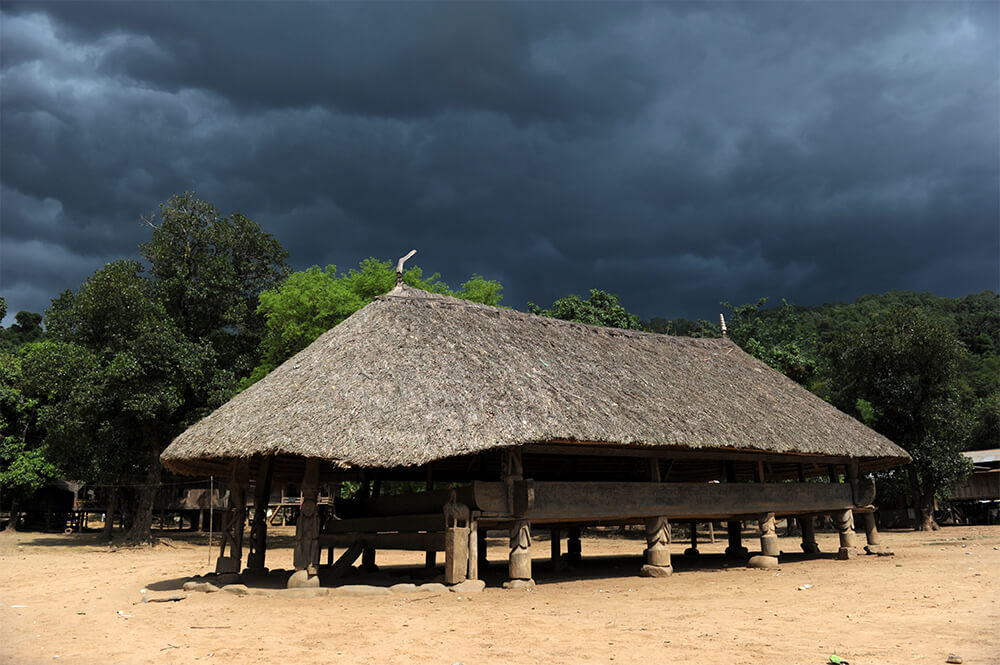
<figcaption>Katu communal house</figcaption>
<img alt="Upper Xekong gorges - Katu hamlet" src="https://www.secretindochina.com/upload-images/programmes/testthe-katu/upper-xekong-katu-hamlet-1578372258.jpg" />
<figcaption>Upper Xekong gorges — Katu hamlet</figcaption>
Since 2012, Secret Indochina has been developing a local sustainable project in Ban Paleng, a Katu hamlet located in the heart of the Upper Sékong. The project promotes and conserves the Katu cultural heritage, as endorsed by UNESCO, to protect and re-establish traditions of some autochthones peoples and groups. In this spirit, the Paleng communal roof was renovated by the locals and Secret Indochina in 2017.
<img alt="Katu buffalo sacrifice" src="https://www.secretindochina.com/upload-images/programmes/testthe-katu/katu-buffalo-sacrifice-1578372280.jpg" />
<figcaption>Katu buffalo sacrifice</figcaption>
<img alt="Upper Xekong gorges - Katu" src="https://www.secretindochina.com/upload-images/programmes/testthe-katu/upper-xekong-gorges-katu-1578372302.jpg" />
<figcaption>Upper Xekong gorges — Katu</figcaption>