The battle of the Route Coloniale 4
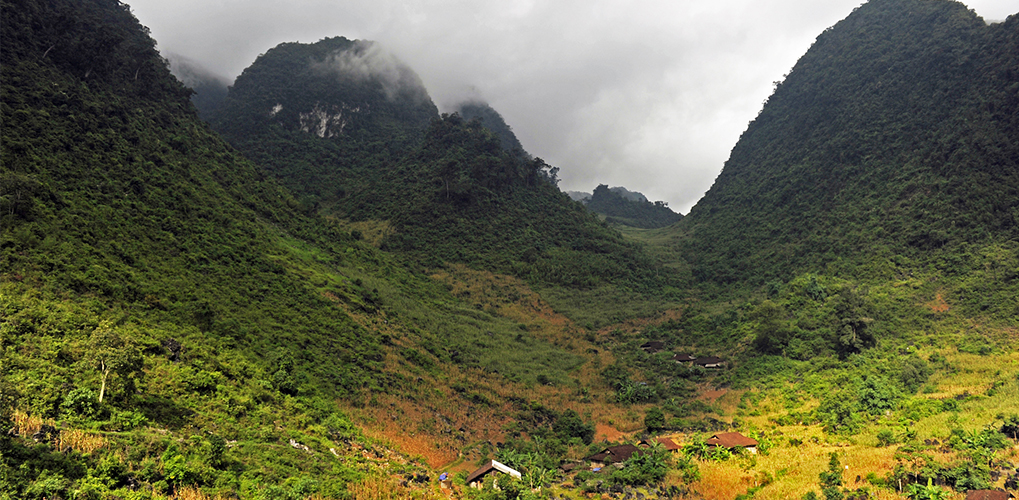
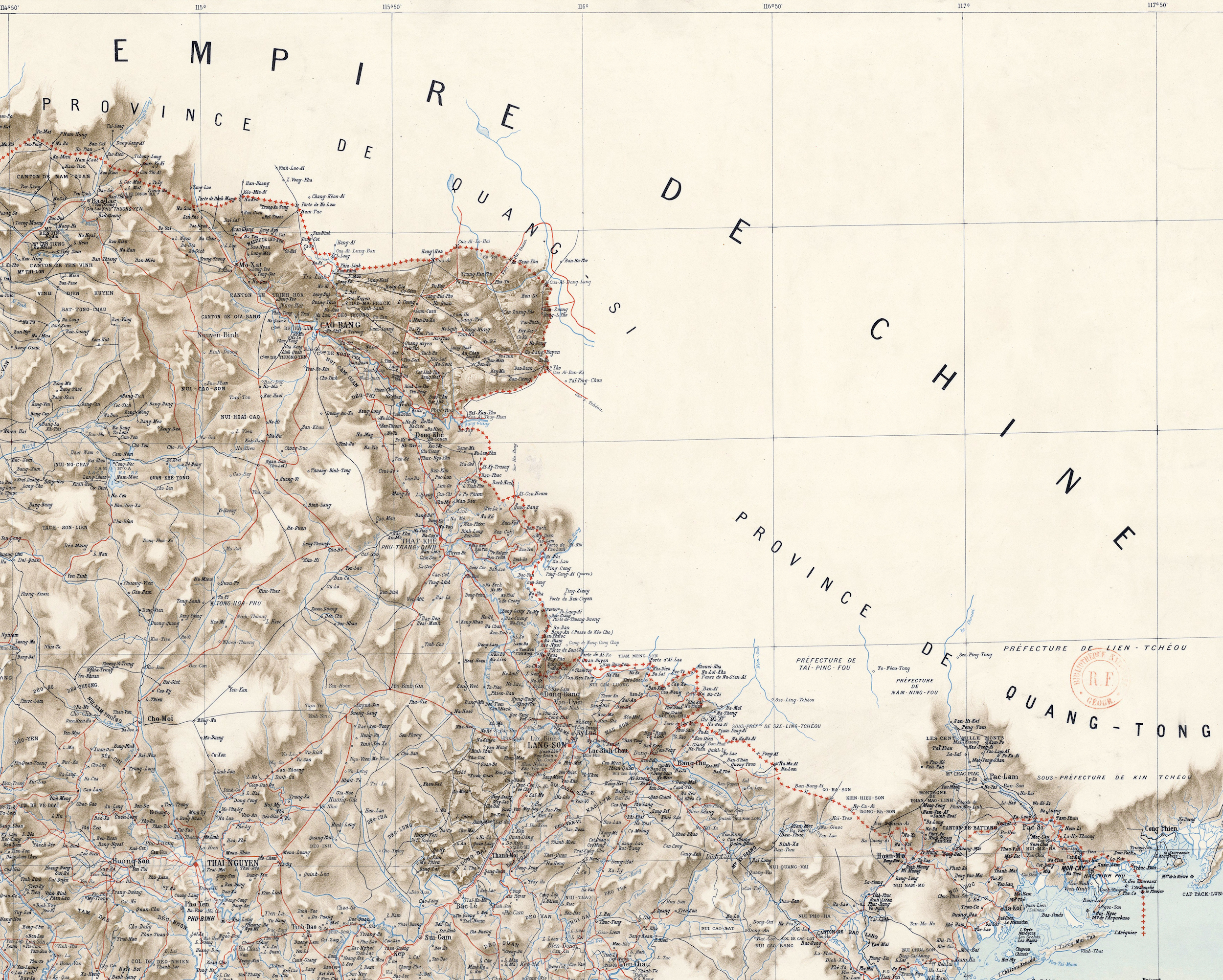
<figcaption>The <span class="caps">RC<span class="numbers">4</span></span></figcaption>
October 2020 marks the 70th anniversary of the Battle of Route Coloniale 4 (RC4), a major defeat for the French Expeditionary Force in Indochina along with Dien Bien Phu. Secret Indochina has been developing programs in the area of the former RC4 between Cao Bang and Ha Giang for some time, and to mark the anniversary we take a look back on this famous battle and the regions of northeastern Vietnam where it took place.
The first major offensive of the First Indochina War took place on July 25, 1948 on the RC3 during an attack on the Phu Tong Hoa post. More than 3,000 Viet Minh infantry troops launched a nighttime attack on the post, which was located near Bac Khan at the crossing of the Ba Be Road. At dawn, the Legionnaires were still resisting, and the attackers withdrew. After this attack, French generals decided to evacuate the RC3 and gathered their forces on the Cao Bang – Lang Son axis. The Vietnamese opted for a strategy based on harassing the French troops, and to do so they established the 174th Regiment (the RC4 regiment), commanded by the famous Colonel Dang Van Viet, who was also known as the Grey Tiger of RC4, the Vietnamese Napoleon, the King of RC4, and the Starless General. For their part, the French chose to reinforce and fortify the installations along the RC4 axis.
<img alt="'La 317ème section' Movie" src="https://www.secretindochina.com/upload-images/programmes/the-battle-of-the-route-coloniale-4/cao%20bang%20-1604637266.jpg" />
<figcaption><span class="pull-double">“</span>La <span class="numbers">317</span><sup class="ordinal">ème</sup> section” Movie</figcaption>
The road became the bloodiest in Indochina. Called the Boulevard de la Mort (the Death Avenue), the bloody road wound beneath rocky cliffs along steep passes with bush-covered heights – lending itself perfectly to ambushes. Convoys heading for Cao Bang loaded with food, ammunition, and civilians, were regularly attacked. A few garrison towns punctuated the route, including Dong Khe and That Khe. In June 1949, General Revers proposed a plan to abandon the border zone, but it was rejected by M. Pignon, French High Commissioner in Indochina, who viewed a retreat as a loss of face. In 1950, after more successful attacks by the Viet Minh, General Revers’ plan for evacuation was adopted, but it was too late. Giap and Colonel Viet adopted the principles of Sun Tzu’s Art of War: The enemy advances, we retreat. The enemy stops, we harass him. The enemy is tired, we attack him. Enemy retreats, we pursue.
The new chief of staff, General Carpentier, was unfamiliar with the country and terrain. He developed a plan to draw the Viet Minh toward Thaï Nguyen (Operation Seal), while one column evacuated Cao Bang city and a second relief column from Lang Son (consisting of the Charton and Lepage columns) joined it at the RC4 town Dong Khe in Operation Tiznit. The plan turned out to be disastrous. The two columns could not meet up and were quickly divided into sub-columns scattered in the bush.
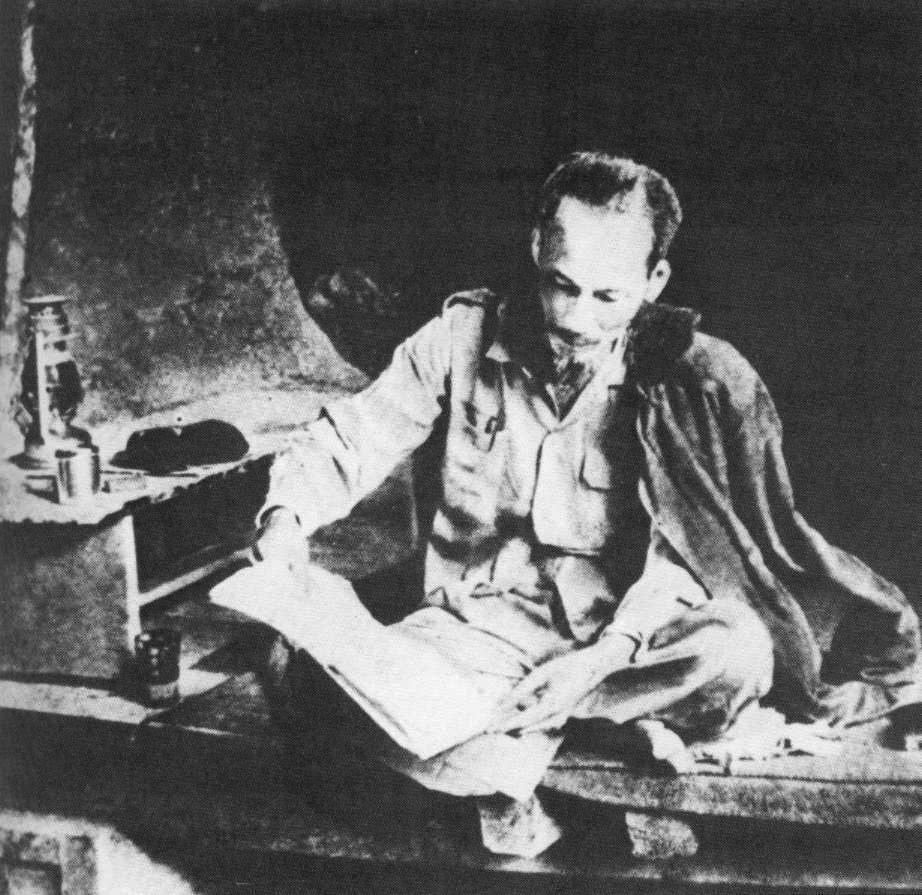
<figcaption>Ho Chi Minh in his mountain</figcaption>
The battle of RC4 was not a classic battle, but a series of deadly ambushes, attacks, counterattacks, and relentless pursuits. It played out from October 1 – 8 around the limestone of Dong Khe. The decimated, starving Lepage relief column made up of the 11th Tabor and the BEP regrouped on October 6 at Coc Xa after fighting at Na Keo. Coc Xa, a dark circus dominated by high cliffs with only one exit – a narrow passage called the Spring (la Source) – became the site of the bloodiest assault of the Indochinese War. At Coc Xa, the French realized that they were surrounded by Battalions 249 and 308 of the Viet Minh, and that the only way out was to force the Spring passage.
<img alt="The Grey Tiger of RC4" src="https://www.secretindochina.com/upload-images/programmes/the-battle-of-the-route-coloniale-4/TIGRE%20GRIS%20DE%20LA%20RC4-1604638060.jpg" />
<figcaption>The Grey Tiger of <span class="caps">RC<span class="numbers">4</span></span></figcaption>
On October 7 just before dawn, the BEP unblocked the Spring at a huge cost: the death of all the company commanders and many legionnaires. Between October 7 and 8, Colonel Viet and the Viet Minh continued dismantling the two columns, which had devolved into small groups scattered and lost in the bush. Only a few units managed to pass through the Viet Minh apparatus and reach the village of That Khe, which was evacuated on October 10, followed by Lang Son on the 17th. The disaster of Cao Bang resulted in the annihilation of the Charton and Lepage columns. Some 5,000 members of the Expeditionary Force were killed or wounded, and of the 3,000 prisoners taken, only 1,000 returned.
Since the early 1990s, Secret Indochina has been active in the province of Cao Bang and its neighbor, Ha Giang. Activities have focused primarily on the people and certain massifs, including Phu Tha Ca, Can Ty, Thong Nong and Mo Xat. We have developed trekking and immersive programs there as well as remembrance programs for battle sites, including the famous Coc Xa circus, ancient fortresses, and French fortresses such as the Du Gia castle in Ha Giang.